
Tibet Travel Guide 2026: Why Tibet Should Be on Every Traveler's Bucket List
Tibet is one of the most extraordinary destinations in the world. Known as the "Roof of the World," this mysterious
land attracts travelers with its breathtaking Himalayan landscapes, ancient Buddhist culture, sacred monasteries, and once-in-a-lifetime adventures. Whether you are seeking spiritual enlightenment, stunning photography opportunities, or an unforgettable
cultural journey, Tibet travel offers experiences unlike anywhere else on Earth.
In recent years, Tibet tourism has become increasingly popular among international travelers who want to discover an authentic
side of China beyond the major cities. From the iconic Potala Palace in Lhasa to the majestic Mount Everest Base Camp, Tibet
combines natural beauty and cultural heritage in a way few destinations can match.
If you are planning a Tibet tour, this guide will show you why Tibet deserves a place on your travel bucket list and what makes
it one of the best travel destinations in China.
Explore the Spiritual Heart of Tibet
The unique culture of Tibet is deeply rooted in Tibetan Buddhism, and visitors can feel its influence everywhere. Prayer flags
flutter across mountain passes, pilgrims walk around sacred temples, and centuries-old monasteries continue traditions that
have survived for generations.
Potala Palace: The Symbol of Tibet
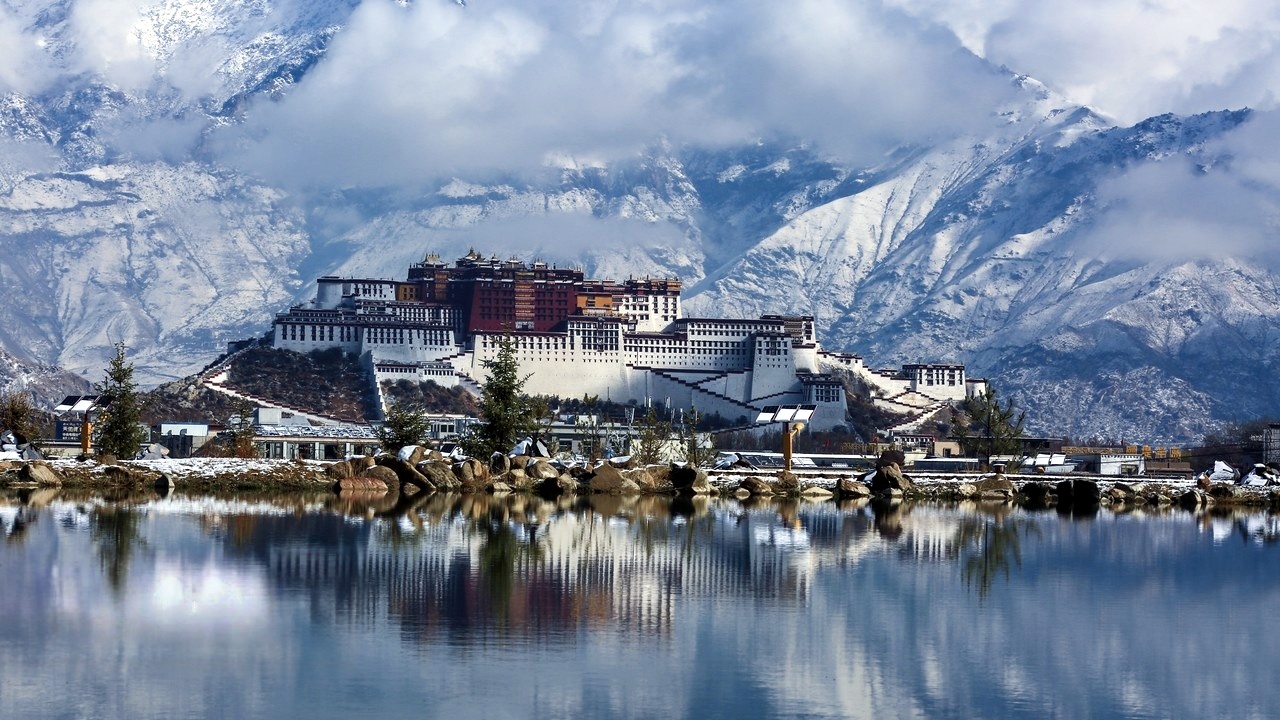
No Tibet travel itinerary is complete without visiting the Potala Palace. Perched on Red Hill in Lhasa, this UNESCO World Heritage
Site served as the winter residence of the Dalai Lamas for centuries. The palace contains thousands of rooms, ancient murals,
priceless Buddhist relics, and spectacular views of the city.
The Potala Palace is not only the most famous landmark in Tibet but also one of the most recognizable cultural icons in China.
Jokhang Temple and Barkhor Street
Located in the center of Lhasa, Jokhang Temple is considered the most sacred temple in Tibetan Buddhism. Pilgrims from all over
Tibet travel here to worship and make offerings.
Outside the temple, Barkhor Street provides visitors with a glimpse into local life. Traditional Tibetan shops, handmade crafts, prayer
wheels, and local food stalls create a vibrant atmosphere that perfectly blends religion and daily culture.
Sera Monastery and Monastic Debates
One of the highlights of any Tibet tour is witnessing the famous Buddhist debates at Sera Monastery. Monks gather in the courtyard
and engage in lively discussions about Buddhist philosophy through dramatic gestures and energetic exchanges.
This unique tradition offers visitors a rare opportunity to observe living Tibetan culture firsthand.
Discover the Spectacular Landscapes of Tibet
Beyond its spiritual attractions, Tibet is home to some of the most impressive natural scenery on the planet. Snow-capped mountains, turquoise lakes, vast grasslands, and dramatic valleys make Tibet a paradise for nature lovers and photographers.
Yamdrok Lake: A Sacred Blue Jewel
Yamdrok Lake is one of Tibet's three holy lakes and is often considered one of the most beautiful lakes in China. Its brilliant turquoise
waters contrast beautifully with surrounding snow-covered peaks and rolling hills.
The lake is a popular stop on Tibet tours from Lhasa and provides incredible opportunities for photography throughout the year.
Mount Everest Base Camp
For many travelers, visiting Mount Everest Base Camp is the ultimate reason to travel to Tibet.
The Tibetan side of Everest offers some of the clearest and most dramatic views of the world's highest mountain. Standing before the
towering 8,848-meter peak is an unforgettable experience that attracts adventure seekers from around the globe.
The journey to Everest Base Camp also passes through spectacular landscapes, traditional Tibetan villages, and some of the highest
mountain passes in the Himalayas.
Namtso Lake and Northern Tibet
Namtso Lake, often called the "Heavenly Lake," sits at an altitude of over 4,700 meters. Surrounded by snow-covered mountains and vast open skies, it is one of the highest saltwater lakes in the world.
Visitors who make the journey to Namtso are rewarded with pristine scenery, peaceful surroundings, and unforgettable sunrises and sunsets.
Tibetan Plateau Wildlife and Grasslands
Travelers exploring eastern and northern Tibet can encounter vast grasslands dotted with yaks, sheep, and nomadic communities.
Wildlife enthusiasts may even spot Tibetan antelope, wild donkeys, and various species of migratory birds.
These remote landscapes provide a glimpse into one of the world's last great wilderness regions.
Why Tibet Travel Should Be Your Next Adventure
Tibet is much more than a destination—it is an experience that changes the way people see the world. The combination of ancient spirituality, dramatic natural beauty, and
rich cultural traditions creates memories that last a lifetime.
Experience a Unique Culture
Unlike any other region in China, Tibet has preserved a distinctive cultural identity. Traditional Tibetan architecture, colorful festivals,
local customs, and centuries-old religious practices allow travelers to immerse themselves in a completely different way of life.
Enjoy Incredible Scenic Drives
Many travelers consider Tibet's overland routes among the most beautiful road trips in the world. The drive from Lhasa to Everest Base
Camp, for example, takes visitors across mountain passes exceeding 5,000 meters, through remote valleys, and alongside crystal-clear lakes.
Every turn reveals another breathtaking landscape.
Perfect for Photography
Tibet is a dream destination for photographers. From golden monastery rooftops and prayer flags to Himalayan peaks and mirror-like lakes, the region offers endless opportunities to capture extraordinary images.
Sunrise and sunset are especially magical, painting the mountains and valleys in stunning colors.
A Journey of Personal Discovery
Many visitors describe Tibet as a deeply meaningful destination. The peaceful atmosphere of monasteries, the devotion of local pilgrims,
and the grandeur of the natural environment inspire reflection and appreciation.
Whether you are interested in culture, religion, nature, or adventure, Tibet offers experiences that are difficult to find anywhere else.


-
-
Best time to visit China
-
History and Culture
-
Geography and Environment
-
Eating and Drinking
-
Top Places to Visit in China
-
Traditions and Festivals
-
Passports and Visas
-
Booking Checklist
-
What's Included
-
Travel Insurance
-
Travel Money
-
Contact Us
-
Cancellation and Refund Policy
-
Shipping Policy
-
Privacy Policy
-
Best time to visit China